Research - (2026) Volume 20, Issue 3
Comparison of Vaginally Assisted Laparoscopic Lateral Suspension and Transvaginal Sacrospinous Ligament Fixation for Apical Pelvic Organ Prolapse: A Multicentre Randomized Clinical Trial
Hossam Abdou, Fady M. Shawky Moiety, Hend Elhossary, Sabah Shaban Elsayed, Wafaa B. Basta and Mohamed Adel Kamal Eldin*Received: 25-May-2026, Manuscript No. gpmp-26-191292; Editor assigned: 10-Jun-2026, Pre QC No. P-191292; Reviewed: 09-Jul-2026, QC No. Q-191292; Revised: 16-Jul-2026, Manuscript No. R-191292; Published: 24-Jul-2026
Abstract
Background and Objectives: Apical pelvic organ prolapse (POP) is a clinically important pelvic floor disorder associated with pelvic pressure, urinary symptoms, bowel symptoms, sexual dysfunction, reduced self-image and impaired quality of life. Surgical correction aims to restore apical support, reduce recurrence and preserve vaginal and sexual function. Vaginally assisted laparoscopic lateral suspension (LLS) and transvaginal sacrospinous ligament fixation (SSLF) are established reconstructive approaches, but direct comparative randomized evidence remains limited. This study compared perioperative, anatomical and patient-reported outcomes after LLS versus SSLF in women with symptomatic apical POP. Materials and Methods: This multicentre randomized interventional clinical trial included 80 women with symptomatic apical POP stage >=2 according to the Pelvic Organ Prolapse Quantification (POP-Q) system. Participants were allocated in a 1:1 ratio to vaginally assisted LLS (n = 40) or unilateral right-sided SSLF (n = 40). Preoperative evaluation included history, general and pelvic examination, POP-Q assessment, transvaginal ultrasonography, laboratory work-up and urodynamic testing when urge incontinence symptoms were present. Primary outcomes were operative time, perioperative complications, length of admission, postoperative analgesic requirement, patient satisfaction and quality-of-life outcomes. Secondary outcomes were recurrence, POP-Q anatomical outcomes and sexual-function outcomes. Results: The LLS and SSLF groups were comparable in age (51.5+/-6.9 vs. 51.7+/-7.4 years; p = 0.90), parity and number of vaginal deliveries, but differed significantly in BMI (28.0+/-1.1 vs. 29.1+/-1.2 kg/m2; p <0.001), obesity prevalence (12% vs. 42%; p = 0.003), menstrual status (p = 0.006) and baseline POP-Q category (p <0.001). Mean operative time was similar between groups (70.0+/-7.8 vs. 70.6 +/- 8.0 min; p = 0.70). General anaesthesia was used in all LLS cases, whereas spinal anaesthesia was used in 95% of SSLF cases (p <0.001). No intraoperative complications were reported. Recurrence was lower after LLS at 6 months (5.0% vs. 18%; p = 0.043) and at 12 months (2.9% vs. 18.2%; p = 0.045, available-case analysis). Patient satisfaction was high in both groups. Sexual-function and quality-of-life domains improved significantly after both procedures, with greater improvement after LLS in social limitations, negative emotions, fear of urinary incontinence during intercourse and frequency of urinary incontinence during intercourse. Conclusions: Both LLS and SSLF were safe and effective for apical POP repair. LLS was associated with lower recurrence and greater improvement in selected functional and sexual domains, while SSLF offered the advantage of a vaginal approach usually feasible under spinal anaesthesia. These findings support individualized procedure selection based on patient characteristics, surgical expertise, anaesthetic suitability and counselling regarding mesh-related risks.Keywords
Pelvic organ prolapse; Laparoscopic lateral suspension; Sacrospinous ligament fixation; urogynecology; Pelvic reconstructive surgery; POP-Q; sexual function; Quality of life
Abbreviations
BMI: Body Mass Index; FSFI: Female Sexual Function Index; LLS: Laparoscopic Lateral Suspension; PISQ-12: Pelvic Organ Prolapse/Urinary Incontinence Sexual Questionnaire-12; POP: Pelvic Organ Prolapse; POP-Q: Pelvic Organ Prolapse Quantification; P-QOL: Prolapse Quality of Life questionnaire; SSLF: Sacrospinous Ligament Fixation; TVL: Total Vaginal Length; UI: Urinary Incontinence
Introduction
Pelvic organ prolapse (POP) is defined as descent of one or more of the anterior vaginal wall, posterior vaginal wall, uterus, cervix or post-hysterectomy vaginal cuff. It is common in women across the lifespan and becomes particularly clinically relevant after menopause and after cumulative exposure to childbirth-related and connective-tissue risk factors [1,2]. Although POP is not usually life-threatening, it may substantially impair quality of life through pelvic pressure, visible or palpable vaginal bulge, urinary symptoms, bowel symptoms, sexual dysfunction, activity limitation and psychological distress [1-3].
Apical support is central to durable prolapse repair. The apex contributes to support of the anterior and posterior compartments; therefore, inadequate apical correction may predispose to recurrent compartment prolapse even when local anterior or posterior repair has been performed. Standardized assessment using the POP-Q system is recommended by major urogynecological societies because it provides objective and reproducible anatomical staging [2].
SSLF is a well-established native-tissue vaginal operation for apical POP. It avoids abdominal entry, can be combined with vaginal hysterectomy and anterior or posterior repair, and may be suitable for women in whom a laparoscopic operation or general anaesthesia is less desirable. However, SSLF may alter the vaginal axis and has been associated in some reports with anterior compartment recurrence, buttock pain, neurovascular injury, urinary retention and postoperative pain [4-6].
LLS is a minimally invasive abdominal approach developed to restore apical and anterior support while avoiding dissection at the sacral promontory. In vaginally assisted LLS, a T-shaped macroporous polypropylene mesh is fixed to the vesicovaginal fascia, cervix or vaginal apex, and the lateral mesh arms are passed retroperitoneally to provide tension-free lateral support [7-11]. By avoiding promontory dissection, LLS may reduce specific risks associated with sacrocolpopexy, including vascular and hypogastric nerve injury, while maintaining strong apical support [10,11].
Despite increasing experience with minimally invasive prolapse surgery, direct comparative evidence between vaginally assisted LLS and SSLF remains limited. The present multicentre randomized clinical trial aimed to compare LLS and SSLF in women with symptomatic apical POP, focusing on perioperative outcomes, recurrence, anatomical outcomes, patient satisfaction, quality of life and sexual-function domains.
Materials and Methods
Study Design and Setting
This was a multicentre randomized interventional clinical trial conducted at the Department of Obstetrics and Gynecology at Helwan University/Capital University Badr hospital and Matarya Educational Hospital in Egypt. Recruitment and operative management were performed between December 2023 and December 2024. The study compared vaginally assisted LLS (Group A) with transvaginal SSLF (Group B) in women with symptomatic apical POP stage >= 2 by POP-Q examination.
Ethical Considerations
The protocol was approved by the Research Ethics Committee for Human and Animal Research, Faculty of Medicine, Helwan University, Egypt (Approval Serial Number: 131-2023; approval date: 17 December 2023). The study was conducted in accordance with the Declaration of Helsinki. Before enrolment, the study objectives, operative alternatives, potential benefits, possible complications, mesh-related considerations and follow-up schedule were explained to each participant. Written informed consent was obtained before randomization and surgery.
Participants and Eligibility Criteria
Eligible participants were women presenting with symptomatic apical POP who were considered suitable candidates for reconstructive prolapse surgery. POP-Q measurements were obtained in centimetres relative to the hymen during pelvic examination. The study focused on women with apical prolapse where the C point was distal to -1 cm, corresponding to POP-Q stage 2 or higher.
Inclusion criteria were
- Female patients aged >35 and <60 years;
- Symptomatic uterine or apical prolapse stage 2 or higher by POP-Q, defined by C point distal to -1 cm;
- No previous pelvic reconstructive surgery for POP;
- No contraindication to uterine preservation or hysterectomy according to individualized surgical planning;
- Ability to provide written informed consent and comply with postoperative follow-up.
Exclusion criteria were
- Previous surgery for pelvic organ prolapse;
- History of adverse events or intolerance after synthetic mesh application;
- Previous abdominal or pelvic irradiation;
- Severe comorbidity preventing either laparoscopic or vaginal reconstructive surgery;
- Current pregnancy or future pregnancy plans;
- Total vaginal length <5 cm;
- Refusal or inability to provide informed consent.
Preoperative Assessment
All participants underwent detailed history taking, general examination and pelvic examination. Baseline assessment included age, parity, number of vaginal deliveries, Body Mass Index (BMI), menstrual status, sexual activity and dyspareunia status. POP-Q staging was documented preoperatively. Transvaginal ultrasonography was performed, and routine preoperative laboratory evaluation included complete blood count, liver function tests, renal function tests and coagulation profile. Urodynamic evaluation was performed for women who reported urge incontinence symptoms.
Randomization and Allocation
After eligibility confirmation and informed consent, participants were allocated in a 1:1 ratio to LLS or SSLF. The final randomized groups included 40 women in the LLS group and 40 women in the SSLF group. Because the surgical approaches differed substantially, blinding of the operating team was not feasible.
Interventions
Group A - Vaginally assisted laparoscopic lateral suspension: A T-shaped polypropylene macroporous mesh (Parietene, Covidien, Trevoux, France) was prepared preoperatively from a 30 x 30 cm sheet. The central rectangular component measured approximately 4 x 6 cm, with two lateral arms measuring approximately 2 x 18 cm. Surgery was performed under general anaesthesia in lithotomy position using a standard laparoscopic approach. A Foley catheter was inserted. The vesicovaginal plane between the bladder and anterior vaginal wall was dissected down to the lower third of the vagina. In almost all cases, total laparoscopic hysterectomy was performed concurrently; one woman underwent uterus-preserving LLS. The mesh was positioned within the vesicovaginal space and fixed to the anterior vaginal wall, vesicovaginal fascia, pubocervical fascia and cervix or vaginal apex using interrupted 2-0 Prolene sutures, avoiding mesh wrinkling or excessive tension. Bilateral small skin incisions were created above the iliac crest and posterior to the anterior superior iliac spine. The mesh arms were passed retroperitoneally, avoiding the external iliac vessels and passing beneath the round ligament. The lateral arms were left unfixed to maintain a tension-free repair, peritoneal closure was performed over the mesh, and the arms were trimmed at skin level.
Group B - Transvaginal sacrospinous ligament fixation: SSLF was performed through a vaginal approach, predominantly as unilateral right-sided fixation. The vaginal epithelium was dissected from underlying fibromuscular tissue through the perirectal space to the right ischial spine. The sacrospinous ligament was cleared medial to the ischial spine toward the sacrum. The vaginal apex was assessed to ensure it could reach the ligament without tension. Sutures were placed approximately 1.5 fingerbreadths medial to the ischial spine while the rectum was manually deflected medially. The Capio device (Boston Scientific, Marlborough, MA, USA) was used to place sutures through the inferior part of the sacrospinous ligament, reducing risk to the inferior gluteal vessels. Non-absorbable 1-0 Prolene or delayed absorbable PDS sutures were used according to operative judgement. Vaginal hysterectomy and anterior or posterior compartment repair were performed when clinically indicated.
Outcomes
The primary outcome domains were surgical and perioperative outcomes, including operative time, type of anaesthesia, length of admission, postoperative analgesic requirement, intraoperative complications and early postoperative complications. Patient satisfaction and quality-of-life outcomes were evaluated at 1 month, 6 months and 1 year. Secondary outcomes included recurrence at 1 month, 6 months and 1 year, POP-Q anatomical outcomes at 6 months (TVL, Ba, Bp and C), and sexual-function outcomes at 6 months. Sexual and quality-of-life domains were assessed using selected culturally acceptable items derived from FSFI, PISQ-12 and P-QOL domains, including social limitations, avoidance of sex because of bulging, negative emotions, fear of urinary incontinence during intercourse, frequency of urinary incontinence during intercourse, frequency of pain and frequency of sexual desire.
Follow-up
Postoperative assessments were performed at 1 month, 6 months and 1 year. At each visit, recurrence, complications, patient satisfaction, symptom improvement and selected quality-of-life domains were recorded. POP-Q anatomical assessment was documented at 6 months. Sexual-function domains were analysed among women who were sexually active and had available preoperative and postoperative questionnaire responses. Available-case denominators were used for outcomes with missing responses at later follow-up points.
Statistical Analysis
Data were coded using Microsoft Excel and analysed using RStudio version 2023.6.1.524 with R version 4.0.5. Continuous variables were summarized as mean +/- standard deviation and median with interquartile range when available. Categorical variables were summarized as frequency and percentage. Between-group comparisons for continuous variables were performed using independent-samples t-tests when parametric assumptions were met and Wilcoxon rank-sum tests when they were not. Categorical variables were compared using Pearson chi-square or Fisher exact tests as appropriate. Within-group preoperative versus postoperative questionnaire comparisons were performed using paired or non-parametric methods according to data distribution. Statistical significance was set at p < 0.05. Given the modest sample size and baseline imbalance in BMI, menopausal status and POP-Q category, results should be interpreted as clinically informative but requiring confirmation in larger adequately powered trials.
Results
Participant Flow
A total of 80 women with symptomatic apical POP were randomized, with 40 allocated to LLS and 40 allocated to SSLF. All participants underwent the allocated operation and were included in perioperative analyses. Follow-up assessments were conducted at 1 month, 6 months and 1 year; available-case denominators were used for outcomes with incomplete 1-year questionnaire data. Participant flow is summarized in Fig. 1.
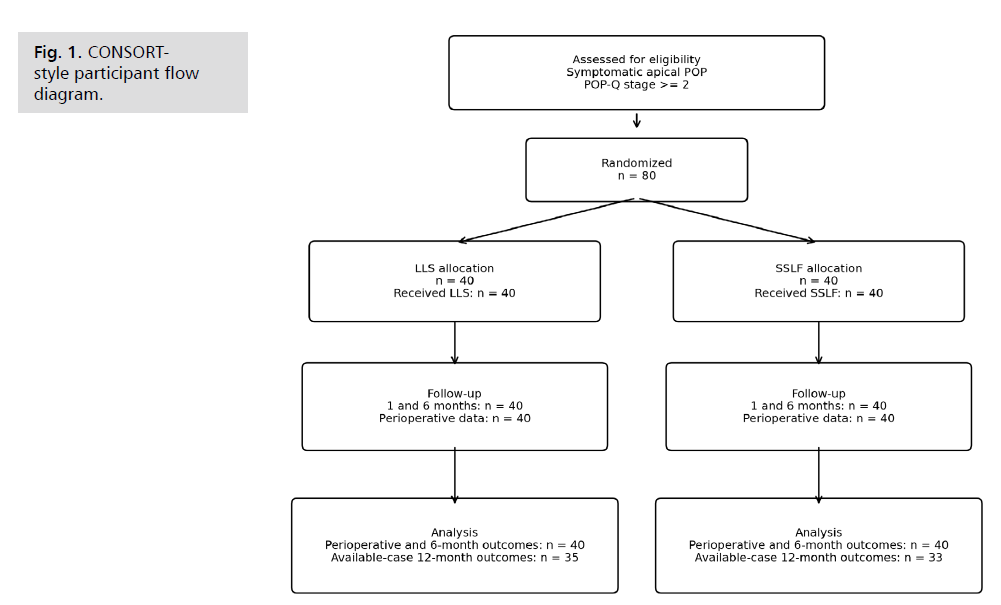
Fig. 1. CONSORT-style participant flow diagram.
Baseline Characteristics
Baseline characteristics are shown in Tab. 1. Age, parity, number of vaginal deliveries, dyspareunia status and urodynamic testing status were comparable between groups. The SSLF group had significantly higher BMI and obesity prevalence, while menstrual status and preoperative POP-Q category also differed between groups. These imbalances were considered when interpreting recurrence and functional outcomes.
| Characteristic | Overall (N = 80) | LLS (N = 40) | SSLF (N = 40) | p-value |
|---|---|---|---|---|
| Age, years, mean +/- SD | 51.6 +/- 7.1 | 51.5 +/- 6.9 | 51.7 +/- 7.4 | 0.90 |
| BMI, kg/m2, mean +/- SD | 28.5 +/- 1.3 | 28.0 +/- 1.1 | 29.1 +/- 1.2 | <0.001 |
| Obesity (BMI >= 30), n (%) | 22 (28%) | 5 (12%) | 17 (42%) | 0.003 |
| Parity, mean +/- SD | 4 +/- 2 | 4 +/- 1 | 4 +/- 2 | 0.20 |
| Vaginal deliveries, mean +/- SD | 4 +/- 2 | 4 +/- 1 | 4 +/- 2 | 0.20 |
| Menstruating, n (%) | 6 (7.5%) | 3 (7.5%) | 3 (7.5%) | 0.006 |
| Perimenopausal, n (%) | 11 (14%) | 4 (10%) | 7 (18%) | |
| Menopausal, n (%) | 52 (65%) | 32 (80%) | 20 (50%) | |
| History of total abdominal hysterectomy, n (%) | 11 (14%) | 1 (2.5%) | 10 (25%) | |
| Dyspareunia, n (%) | 56 (70%) | 31 (78%) | 25 (62%) | 0.14 |
| Not sexually active, n (%) | 24 (30%) | 9 (22%) | 15 (38%) | |
| Urodynamics normal, n (%) | 3 (3.8%) | 1 (2.5%) | 2 (5.0%) | >0.90 |
| Urodynamics not done, n (%) | 77 (96%) | 39 (98%) | 38 (95%) | |
| POP-Q stage 2, n (%) | 47 (59%) | 26 (65%) | 21 (52%) | <0.001 |
| POP-Q stage 3, n (%) | 13 (16%) | 11 (28%) | 2 (5.0%) | |
| Vault prolapse, n (%) | 13 (16%) | 1 (2.5%) | 12 (30%) | |
| Complete procidentia, n (%) | 7 (8.8%) | 2 (5.0%) | 5 (12%) |
Tab. 1: Baseline demographic and clinical characteristics
Operative Characteristics
Operative characteristics are shown in Tab. 2. The LLS group mainly underwent total laparoscopic hysterectomy with lateral suspension (97.5%), with one uterus-preserving procedure. The SSLF group underwent a range of vaginal procedures, most commonly vaginal hysterectomy with SSLF (57%). Mean operative time did not differ significantly between groups. Type of anaesthesia differed significantly: all LLS procedures were performed under general anaesthesia, whereas most SSLF procedures were performed under spinal anaesthesia. No intraoperative complications were reported in either group. All participants received standardized postoperative analgesia and were discharged after a 2-day admission.
| Characteristic | Overall (N = 80) | LLS (N = 40) | SSLF (N = 40) | p-value |
|---|---|---|---|---|
| Vaginal hysterectomy + SSLF | 23 (29%) | 0 (0%) | 23 (57%) | <0.001 |
| SSLF + repair | 8 (10%) | 0 (0%) | 8 (20%) | |
| Hysteropexy + repair | 4 (5.0%) | 0 (0%) | 4 (10%) | |
| SSLF alone | 4 (5.0%) | 0 (0%) | 4 (10%) | |
| Sacrohysteropexy | 1 (1.2%) | 0 (0%) | 1 (2.5%) | |
| Total laparoscopic hysterectomy + LLS | 39 (49%) | 39 (97.5%) | 0 (0%) | |
| LLS with uterine preservation | 1 (1.2%) | 1 (2.5%) | 0 (0%) | |
| Operative time, min, mean +/- SD | 70.3 +/- 7.9 | 70.0 +/- 7.8 | 70.6 +/- 8.0 | 0.70 |
| General anaesthesia | 42 (52%) | 40 (100%) | 2 (5.0%) | <0.001 |
| Spinal anaesthesia | 38 (48%) | 0 (0%) | 38 (95%) | |
| Length of admission | 2 days | 2 days | 2 days | - |
| Standardized analgesia | NSAID 75 mg every 8 h plus diluted opioid on demand | Same | Same | - |
| Intraoperative complications | 0 (0%) | 0 (0%) | 0 (0%) | - |
Tab. 2: Surgical procedures and intraoperative characteristics.
Recurrence and Anatomical Outcomes
Recurrence outcomes are shown in Tab. 3. Overall recurrence within 1 year was 11%. At 6 months, recurrence was significantly lower after LLS than after SSLF (5.0% vs. 18%; p = 0.043). At 1 year, available-case recurrence remained lower after LLS (2.9% vs. 18.2%; p = 0.045). Six-month POP-Q anatomical outcomes showed mean TVL of 10+/-0 cm, Ba of -3+/-1, Bp of -3+/-1 and C of -5+/-0, with no significant between-group differences in these measured anatomical points.
| Outcome | Overall | LLS | SSLF | p-value |
|---|---|---|---|---|
| Overall recurrence within 1 year | 9 (11%) | 2 (5.0%) | 7 (18%) | 0.20 |
| 1-month: no recurrence and clean wound | 73 (91%) | 38 (95%) | 35 (88%) | 0.60 |
| 1-month: no recurrence with infection | 3 (3.8%) | 1 (2.5%) | 2 (5.0%) | |
| 1-month: anterior wall recurrence | 2 (2.5%) | 0 (0%) | 2 (5.0%) | |
| 1-month: posterior wall recurrence | 2 (2.5%) | 1 (2.5%) | 1 (2.5%) | |
| 6-month: no recurrence | 71 (89%) | 38 (95%) | 33 (82%) | 0.043 |
| 6-month: anterior prolapse | 5 (6.2%) | 0 (0%) | 5 (12%) | |
| 6-month: posterior prolapse | 3 (3.8%) | 1 (2.5%) | 2 (5.0%) | |
| 6-month: mesh rejection | 1 (1.2%) | 1 (2.5%) | 0 (0%) | |
| 1-year: no recurrence | 61 (90%) | 34 (97%) | 27 (82%) | 0.045 |
| 1-year: anterior prolapse | 4 (5.9%) | 0 (0%) | 4 (12%) | |
| 1-year: posterior prolapse | 3 (4.4%) | 1 (2.9%) | 2 (6.1%) | |
| 6-month TVL, cm, mean +/- SD | 10 +/- 0 | 10 +/- 0 | 10 +/- 0 | 0.30 |
| 6-month Ba, mean +/- SD | -3 +/- 1 | -3 +/- 0 | -3 +/- 1 | 0.30 |
| 6-month Bp, mean +/- SD | -3 +/- 1 | -3 +/- 1 | -3 +/- 1 | 0.30 |
| 6-month C, mean +/- SD | -5 +/- 0 | -5 +/- 0 | -5 +/- 0 | 0.30 |
Tab. 3: Postoperative recurrence and anatomical outcomes
Postoperative Complications
Early postoperative complications at 1 month are summarized in Tab. 4. Urinary tract infection was the most frequent event, occurring in 10% overall. Pain was reported by 8.8% of participants and differed by location: abdominal fixation-site pain after LLS and buttock pain after SSLF, improving within 2-3 weeks in the SSLF group. Two women in the LLS group developed urge incontinence that improved with low-dose antimuscarinic therapy. No severe intraoperative or early postoperative complication was reported.
| Complication | Overall (N = 80) | LLS (N = 40) | SSLF (N = 40) |
|---|---|---|---|
| Urinary tract infection | 8 (10%) | 5 (12%) | 3 (7.5%) |
| Vaginitis | 3 (3.8%) | 1 (2.5%) | 2 (6.1%) |
| Pain | 7 (8.8%) | 4 (10%) | 3 (7.5%) |
| Urge incontinence | 2 (2.5%) | 2 (5.0%) | 0 (0%) |
Tab. 4: Postoperative complications at 1 month
Patient Satisfaction, Symptom Improvement and Quality of Life
Patient-reported outcomes are shown in Tab. 5. Most participants stated that they would recommend the operation to another patient (89%). Satisfaction was high at 1 month, 6 months and 1 year, with mean satisfaction level approximately 8+/-1 at each time point. Symptom improvement increased from 85% at 1 month to 96% at 6 months and 97% at 1 year. Social limitation scores improved substantially from approximately 2+/-1 preoperatively to approximately 8+/-1 postoperatively.
| Outcome | Overall | LLS | SSLF | p-value |
|---|---|---|---|---|
| Would recommend surgery: Yes | 71 (89%) | 37 (92%) | 34 (85%) | 0.70 |
| Satisfied at 1 month: Yes | 73 (91%) | 36 (90%) | 37 (92%) | 0.20 |
| Satisfied at 6 months: Yes | 72 (91%) | 35 (90%) | 37 (92%) | 0.020 |
| Satisfied at 1 year: Yes | 62 (91%) | 31 (89%) | 31 (94%) | 0.057 |
| Satisfaction score at 1 month, mean +/- SD | 8 +/- 1 | 8 +/- 1 | 8 +/- 1 | 0.50 |
| Satisfaction score at 6 months, mean +/- SD | 8 +/- 1 | 8 +/- 0 | 8 +/- 1 | 0.70 |
| Satisfaction score at 1 year, mean +/- SD | 8 +/- 1 | 8 +/- 1 | 8 +/- 1 | 0.70 |
| Symptoms improved at 1 month: Yes | 68 (85%) | 35 (88%) | 33 (82%) | 0.80 |
| Symptoms improved at 6 months: Yes | 76 (96%) | 39 (100%) | 37 (92%) | 0.20 |
| Symptoms improved at 1 year: Yes | 68 (97%) | 35 (100%) | 33 (94%) | 0.50 |
| Social limitations preoperative, mean +/- SD | 2 +/- 1 | 2 +/- 1 | 2 +/- 1 | 0.073 |
| Social limitations 1 month, mean +/- SD | 8 +/- 1 | 8 +/- 0 | 9 +/- 1 | 0.20 |
| Social limitations 6 months, mean +/- SD | 8 +/- 1 | 8 +/- 1 | 8 +/- 0 | 0.70 |
| Social limitations 1 year, mean +/- SD | 8 +/- 1 | 8 +/- 1 | 8 +/- 0 | 0.086 |
Tab. 5: Patient satisfaction and quality-of-life outcomes
Sexual-Function Outcomes
Sexual-function and related quality-of-life scores improved significantly after both procedures (Tab. 6). Within each group, social limitations, avoidance of sex due to bulging, negative emotions, fear of urinary incontinence during intercourse, frequency of urinary incontinence during intercourse, pain and sexual desire all improved significantly after surgery (all p <0.001). Between-group comparison of change scores showed greater improvement after LLS in social limitations, negative emotions, fear of urinary incontinence during intercourse and frequency of urinary incontinence during intercourse (Tab. 7).
| Domain | LLS pre | LLS post | p-value | SSLF pre | SSLF post | p-value |
|---|---|---|---|---|---|---|
| Social limitations | 1.8 +/- 0.7 | 8.3 +/- 0.6 | <0.001 | 2.2 +/- 1.1 | 8.1 +/- 0.4 | <0.001 |
| Avoiding sex because of bulging | 2.2 +/- 1.0 | 8.6 +/- 0.6 | <0.001 | 2.0 +/- 0.8 | 8.1 +/- 1.5 | <0.001 |
| Negative emotions | 1.4 +/- 0.6 | 8.8 +/- 0.5 | <0.001 | 2.0 +/- 0.7 | 8.8 +/- 0.6 | <0.001 |
| Fear of UI during intercourse | 4.0 +/- 1.4 | 8.5 +/- 0.6 | <0.001 | 3.1 +/- 1.0 | 8.5 +/- 0.6 | <0.001 |
| Frequency of UI during intercourse | 5.2 +/- 1.2 | 8.8 +/- 0.5 | <0.001 | 3.4 +/- 1.1 | 8.6 +/- 0.5 | <0.001 |
| Frequency of pain | 2.7 +/- 0.8 | 8.2 +/- 0.7 | <0.001 | 2.8 +/- 0.9 | 8.2 +/- 0.6 | <0.001 |
| Frequency of sexual desire | 2.3 +/- 0.7 | 7.9 +/- 0.8 | <0.001 | 2.8 +/- 1.0 | 7.8 +/- 1.3 | <0.001 |
Tab. 6: Preoperative and postoperative sexual-function and related quality-of-life scores
| Change score domain | Overall | LLS | SSLF | p-value |
|---|---|---|---|---|
| Social limitations | 6 +/- 1 | 7 +/- 1 | 6 +/- 1 | 0.010 |
| Avoiding sex because of bulging | 6 +/- 2 | 6 +/- 1 | 6 +/- 2 | 0.60 |
| Negative emotions | 7 +/- 1 | 7 +/- 1 | 7 +/- 1 | 0.018 |
| Fear of UI during intercourse | 5 +/- 1 | 4 +/- 1 | 5 +/- 1 | 0.003 |
| Frequency of UI during intercourse | 4 +/- 1 | 4 +/- 1 | 5 +/- 1 | <0.001 |
| Frequency of pain | 5 +/- 1 | 6 +/- 1 | 5 +/- 1 | 0.30 |
| Frequency of sexual desire | 5 +/- 1 | 6 +/- 1 | 5 +/- 2 | 0.20 |
Tab. 7: Between-group comparison of score changes in sexual-function domains
Discussion
This multicentre randomized clinical trial compared vaginally assisted LLS and transvaginal SSLF for symptomatic apical POP. Both procedures were effective and associated with high satisfaction and substantial symptom improvement. However, LLS was associated with lower recurrence at 6 months and 1 year, while SSLF offered the practical advantage of a predominantly spinal-anaesthesia vaginal approach. These findings support individualized surgical decision-making rather than a single procedure for all patients. The lower recurrence observed after LLS is clinically important. At 6 months, recurrence occurred in 5.0% of the LLS group and 18% of the SSLF group; at 1 year, available-case recurrence was 2.9% after LLS and 18.2% after SSLF. The anatomical rationale is plausible: LLS provides broad lateral support through a macroporous polypropylene mesh positioned in the vesicovaginal plane and suspended bilaterally, while SSLF depends on unilateral native-tissue fixation that may change the vaginal axis and increase anterior compartment loading. Systematic reviews of LLS have reported high apical and anterior compartment success rates, supporting its role as an alternative to sacrocolpopexy in selected patients [9,12,13].
Although sacrocolpopexy is often considered a reference abdominal procedure for apical prolapse, promontory dissection carries specific risks, including vascular injury, ureteral or hypogastric nerve injury and rare spondylodiscitis. LLS avoids promontory dissection and therefore may be attractive in obese patients or in those where sacral promontory access is difficult [10,11]. In this study, no intraoperative complications were reported after either procedure, suggesting that both operations can be performed safely by experienced surgeons using standardized technique. SSLF remains highly relevant in real-world urogynecology. The operation is vaginal, avoids abdominal trocar entry and mesh placement in the abdominal compartment, and may be performed under spinal or local-regional anaesthesia. In this trial, 95% of SSLF cases were performed under spinal anaesthesia, while all LLS cases required general anaesthesia. This distinction is important for elderly or medically complex patients, even though the present study population was limited to women younger than 60 years. Previous reports have described SSLF as feasible under local or regional anaesthesia in high-risk patients, reinforcing its practical value [16].
Patient-reported outcomes are increasingly recognized as essential in POP surgery. Anatomical success alone may not fully capture the impact of prolapse or the benefit of surgery. In this study, both operations produced high satisfaction, high rates of symptom improvement and marked improvement in social limitation scores. The improvement in sexual-function domains is particularly relevant because POP may impair body image, sexual confidence, vaginal comfort and urinary control during intercourse [3]. Both operations significantly improved all measured sexual-function domains, but LLS showed greater improvement in social limitations, negative emotions, fear of urinary incontinence during intercourse and frequency of urinary incontinence during intercourse.
The interpretation of sexual-function results requires caution. The study used selected culturally acceptable domains from FSFI, PISQ-12 and P-QOL rather than full instruments. This pragmatic adaptation reflects social, educational and religious barriers to completing all sexual-health items, but it limits direct comparability with studies using full validated questionnaires. Future research in similar settings should validate culturally adapted instruments to preserve measurement validity while improving acceptability and response completeness. Baseline imbalance is a key limitation. Despite randomization, the SSLF group had higher BMI, higher obesity prevalence, different menstrual status distribution and more vault prolapse, whereas the LLS group had more POP-Q stage 3 cases. Obesity and previous hysterectomy are recognized risk factors for POP and recurrence [17-19]. These imbalances may have influenced recurrence and functional outcomes. Larger multicentre trials using concealed block randomization and stratification by previous hysterectomy, obesity and baseline POP-Q stage would reduce this risk.
Mesh-related safety is another important consideration. The present study reported one mesh rejection event and no severe early mesh-related complications. Nevertheless, follow-up was limited to 1 year and the sample size was modest, so late exposure, pain, infection or extrusion cannot be excluded. Modern guidance recommends careful patient selection, expert surgical training, detailed counselling and long-term surveillance for mesh-augmented POP procedures [14,20-23]. These principles should be applied when considering LLS. This study has several strengths, including randomized allocation, multicentre recruitment, standardized surgical protocols, objective POP-Q anatomical assessment and inclusion of patient-reported outcomes. It also directly compares two clinically relevant procedures used in contemporary practice. The main limitations are the modest sample size, lack of blinding, baseline imbalance despite randomization, use of selected questionnaire items rather than complete scales, and follow-up duration insufficient to evaluate long-term mesh safety or late recurrence. The raw spreadsheet provided for manuscript preparation contained one additional SSLF entry compared with the declared randomized trial sample; the analysis in this manuscript is aligned with the validated thesis-level 80-patient trial dataset.
Overall, LLS appears to provide stronger anatomical durability and greater improvement in selected functional domains, while SSLF remains valuable where vaginal access, avoidance of general anaesthesia or avoidance of mesh is preferred. These findings should inform shared decision-making and reinforce the need for larger long-term randomized trials comparing anatomical success, patient-reported outcomes, mesh safety and cost-effectiveness.
Conclusion
Both vaginally assisted LLS and transvaginal SSLF were safe and effective surgical options for symptomatic apical POP. LLS demonstrated lower recurrence at 6 months and 1 year and greater improvement in selected quality-of-life and sexual-function domains. SSLF remains a useful native-tissue vaginal approach, particularly when spinal anaesthesia or avoidance of abdominal laparoscopy is preferred. Procedure selection should be individualized according to patient characteristics, prolapse anatomy, anaesthetic suitability, surgeon expertise and informed counselling regarding mesh-related risks.
Author Contributions
Conceptualization, H.A. and F.M.S.M.; methodology, H.A., H.E. and S.S.E.; data collection, S.S.E. and W.B.B.; formal analysis, H.A. and M.A.K.E.; writing - original draft preparation, H.A. and M.A.K.E.; writing - review and editing, all authors; supervision, F.M.S.M. All authors have read and agreed to the submitted version of the manuscript.
Funding
This research received university funding. The funder had no role in the design of the study; in the collection, analysis or interpretation of data; in the writing of the manuscript; or in the decision to submit the results for publication.
Institutional Review Board Statement
The study was conducted in accordance with the Declaration of Helsinki and approved by the Research Ethics Committee for Human and Animal Research, Faculty of Medicine, Helwan University, Egypt (Approval Serial Number: 131-2023; approval date: 17 December 2023).
Informed Consent Statement
Written informed consent was obtained from all subjects involved in the study.
Data Availability Statement
The data are not publicly available due to privacy restrictions.
Acknowledgments
The authors thank the participating patients and the clinical teams at the participating centres for their contribution to this study.
Conflicts of Interest
The authors declare no conflicts of interest.
References
- Sung VW, Jeppson P, Madsen A. Nonoperative management of pelvic organ prolapse. Obstet Gynecol. 2023 (4): [724-736].
- American Urogynecologic Society Best Practice Statement: Evaluation and counselling of patients with pelvic organ prolapse. Female Pelvic Med Reconstr Surg. 2017 (23): [281-287].
- Fatton B, de Tayrac R, Letouzey V, et al. Pelvic organ prolapse and sexual function. Nat Rev Urol. 2020 (7): [373-390].
- Zhang W, Cheon WC, Zhang L, et al. Comparison of the effectiveness of sacrospinous ligament fixation and sacrocolpopexy: A meta-analysis. Int Urogynecology J. 2022 (1): [3-13].
- Gabra MG, Winget V, Torabi MT, et al. Laparoscopic uterosacral ligament suspension versus sacrospinous ligament fixation for apical prolapse: Perioperative outcomes. Gynecol Surg. 2021 (1): 15.
- Tseng LH, Chen I, Chang SD, et al. Modern role of sacrospinous ligament fixation for pelvic organ prolapse surgery—A systemic review. Taiwan J Obstet Gynecol. 2013 (3): [311-317].
- Mereu L, Tateo S, D’Alterio MN, et al. Laparoscopic lateral suspension with mesh for apical and anterior pelvic organ prolapse: A prospective double center study. Eur J Obstet Gynecol Reprod Biol. 2020 (244): [16-20].
- Akbaba E, Sezgin B. Anatomical and clinical outcomes of vaginally assisted laparoscopic lateral suspension in comparison with laparoscopic lateral suspension. Clin Exp Obstet Gynecol. 2021 (48): 935.
- Campagna G, Vacca L, Panico G, et al. Laparoscopic lateral suspension for pelvic organ prolapse: A systematic literature review. Eur J Obstet Gynecol Reprod Biol. 2021: (264): [318-329].
- Chatziioannidou K, Veit-Rubin N, Dällenbach P. Laparoscopic lateral suspension for anterior and apical prolapse: A prospective cohort with standardized technique. Int Urogynecology J. 2022 (2): [319-325].
- Dällenbach P. Laparoscopic Lateral Suspension (LLS) for the treatment of apical prolapse: A new gold standard? Front Surg. 2022 (9): 898392.
- Plotti F, Martinelli A, Terranova C, et al. Laparoscopic lateral suspension (LLS) for pelvic organ prolapse (POP): Update and systematic review of prospective and randomised trials. J Clin Med. 2025 (9): 3056.
- Wang Q, Manodoro S, Jiang X, et al. Efficacy and safety of laparoscopic lateral suspension with mesh for pelvic organ prolapse: A systematic review and meta‐analysis. Acta Obstet Gynecol Scand. 2025 (9): [1603-1615].
- Senturk MB, Doğan O. Sacrospinous ligament fixation under local anesthesia in elderly patients at high risk of general anesthesia. J Investig Surg. 2020 (1): [1-7].
- Vergeldt TF, Weemhoff M, IntHout J, et al. Risk factors for pelvic organ prolapse and its recurrence: A systematic review. Int Urogynecol J. 2015 (11): [1559-1573].
- Chilaka C, Toozs-Hobson P, Chilaka V. Pelvic floor dysfunction and obesity. Best Pract Res Clin Obstet Gynaecol. 2023 (90): 102389.
- Fisher-Yosef T, Cohen G, Nachshon S, et al. Weight and its impact on pelvic floor health: a cross-sectional study of parous women of reproductive and perimenopausal age. Eur J Obstet Gynecol Reprod Biol. 2025 (313): 114562.
- Yeung E, Baessler K, Christmann-Schmid C, et al. Transvaginal mesh or grafts or native tissue repair for vaginal prolapse. Cochrane Database Syst Rev. 2024 (3).
- Deffieux X, Perrouin-Verbe MA, Campagne-Loiseau S, et al. Diagnosis and management of complications following pelvic organ prolapse surgery using a synthetic mesh: French national guidelines for clinical practice. Eur J Obstet Gynecol Reprod Biol. 2024 (294): [170-179].
- Hashim H, Korte C, Germano N, et al. Mesh classification and removal terminology. Continence. 2024 (11): 101692.
- Welk B, Dmochowski R, McCarthy K, et al. Complications associated with the use of mesh to treat female urinary incontinence and pelvic organ prolapse. Continence. 2024 (12): 101713.
- Huang LX, Guo M, Sha LX, et al. Clinical effect of uterosacral and cardinal ligament fixation versus sacrospinous ligament fixation of vaginal vault prolapse: A retrospective analysis. Int J Clin Pract. 2023 (1): 1489928.
- Chen Y, Peng L, Zhang J, et al. Sacrospinous ligament fixation vs uterosacral ligaments suspension for pelvic organ prolapse: A systematic review and meta-analysis. Urology. 2022 (166): [133-139].
Google Scholar, Cross Ref, Indexed at
Google Scholar, Cross Ref, Indexed at
Google Scholar, Cross Ref, Indexed at
Google Scholar, Cross Ref, Indexed at
Google Scholar, Cross Ref, Indexed at
Google Scholar, Cross Ref, Indexed at
Google Scholar, Cross Ref, Indexed at
Google Scholar, Cross Ref, Indexed at
Google Scholar, Cross Ref, Indexed at
Google Scholar, Cross Ref, Indexed at
Google Scholar, Cross Ref, Indexed at
Google Scholar, Cross Ref, Indexed at
Google Scholar, Cross Ref, Indexed at
Google Scholar, Cross Ref, Indexed at
Google Scholar, Cross Ref, Indexed at
Google Scholar, Cross Ref, Indexed at
Google Scholar, Cross Ref, Indexed at
Google Scholar, Cross Ref, Indexed at
Google Scholar, Cross Ref, Indexed at
Google Scholar, Cross Ref, Indexed at
Google Scholar, Cross Ref, Indexed at
Author Info
Hossam Abdou, Fady M. Shawky Moiety, Hend Elhossary, Sabah Shaban Elsayed, Wafaa B. Basta and Mohamed Adel Kamal Eldin*2Department of Obstetrics and Gynecology, Alexandria University, Alexandria, Egypt
3Ministries of Health, 3 Magles El Shaab Street, Lazoghly, El-Sayeda Zainab, Cairo, Egypt
4Departments of Obstetrics and Gynecology, Matarya Teaching Hospital, Cairo, Egypt
Copyright:This is an open access article distributed under the terms of the Creative Commons Attribution License, which permits unrestricted use, distribution, and reproduction in any medium, provided the original work is properly cited.